Insight and Analysis on the Intermediary Liability Blog     Click here
background
Regulating Digital Services:
What Works, What Doesn't
Explore
24 charts

Contribute
additional evidence

WHY

Drivers & Context: the socioeconomic, cultural and infrastructural factors that shape how children encounter and use digital technologies.

chart preview

Adolescent Exposure and Usage Intensity on Social Media

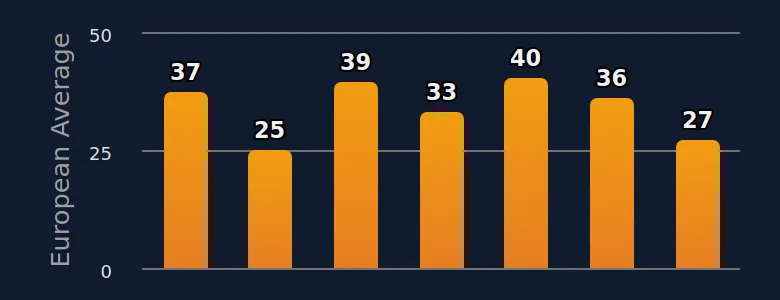
This table establishes the scale of the environment by mapping how deeply integrated social media has become in the daily lives of 15-year-olds across the European Union. 96% of 15-year-olds use social media on a typical weekday, with 37% spending more than 3 hours daily. Social media is no longer an optional activity but a near-universal digital environment for European youth.
chart preview

Digital Divide in Children's Screen Time by Socioeconomic Status

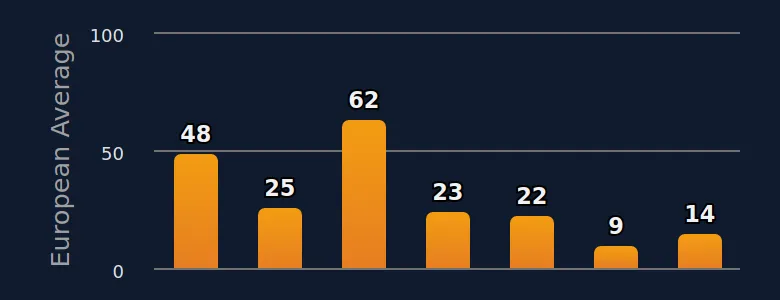
Research consistently shows that the "Digital Divide" has shifted from access to usage patterns and duration. Children from low-income families spend roughly 40% longer on screens than middle-income peers and nearly double the time of children in affluent households. A 2024 Norwegian study found that lower-SES children spend an average of 364 minutes (over 6 hours) on the internet daily, compared to 260 minutes for high-SES peers.
chart preview

Social Media Platforms Used by Young Users for Political and Social Information

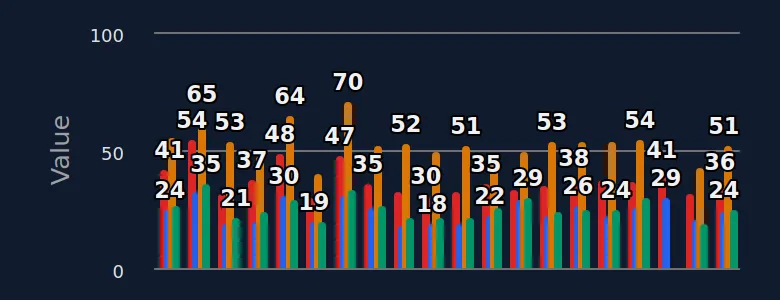
65% of respondents aged 15-24 said social media was their main source of information. Instagram emerged as the most commonly used platform (47%), followed by TikTok (39%) and YouTube (37%). These data show the direct correlation between youth using social media and their right to information and participation, specifically in the political sphere.

CLINICAL

User Impact & Harm: clinical and epidemiological evidence on how social media affects the mental health, safety and well-being of children.

chart preview

Age Demographics of Victims (2023-2024)

The 2024 data indicate a narrowing of the target demographic toward the pre-pubescent (3-13 years old) age group, which now accounts for 93.24% of all cases — an all-time high concentration of harm in the primary-school age bracket.
chart preview

Gender Disparity in Social Media Use and Mental Health

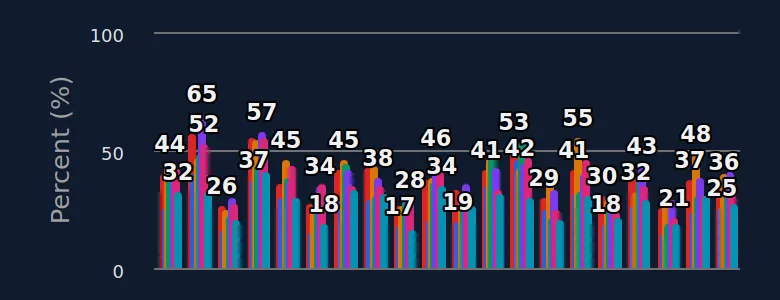
This table highlights a critical divergence in how social media affects 15-year-old adolescents based on gender. Female adolescents are significantly more vulnerable both in terms of dosage (42% vs 32% high usage) and response (60% vs 35% depression symptoms, 65% vs 41% anxiety symptoms).
chart preview

Global Scaling of Child Sexual Abuse Material (CSAM)

The digital environment has reached a critical tipping point where the volume of child sexual abuse material has surged by 87% in three years, reaching 32 million global reports. Over half of global respondents experienced sexual harm online during their childhood.

STRUCTURAL

Platform Design & Dynamics: how the architecture, algorithms and business models of social media platforms create or amplify risks for young users.

TECHNICAL

Feasibility & Enforcement: the technical mechanisms, challenges and limitations of implementing age verification, content moderation and platform regulation.

chart preview

Common Age Restrictions on Social Media Platforms

Most major social media platforms set their minimum age at 13, aligned with the US COPPA regulation. LinkedIn and WhatsApp require 16, while YouTube formally requires 18 (or 13 with parental consent). These self-imposed limits highlight the gap between platform policy and actual enforcement.

NORMATIVE

Rules, Rights & Ethics: public opinion, legal frameworks, generational attitudes and ethical considerations surrounding children's digital rights and regulation.

chart preview

Awareness of Fundamental Rights Applied Online

Awareness that fundamental rights apply online is in a literacy recession across the EU, with only 59% of citizens cognizant of their digital legal standing — a 3-point decline year-over-year. A massive 43-point gap exists between the Netherlands (82%) and Bulgaria (39%), suggesting that social media intervention will face substantial enforcement challenges.
chart preview

Generational Perspectives on Device vs. Content Bans

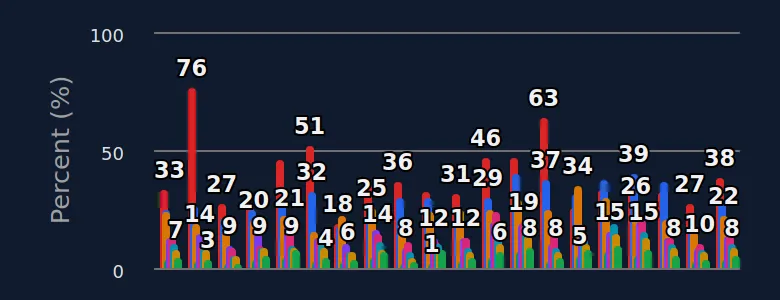
The data reveals a significant Consensus Gap between hardware restrictions and age-based platform access. While the generations are divided on whether smartphones belong in schools, they are remarkably united on the need to protect children under 14 from social media.
chart preview

Global Public Sentiment on Social Media Bans for Under-14s

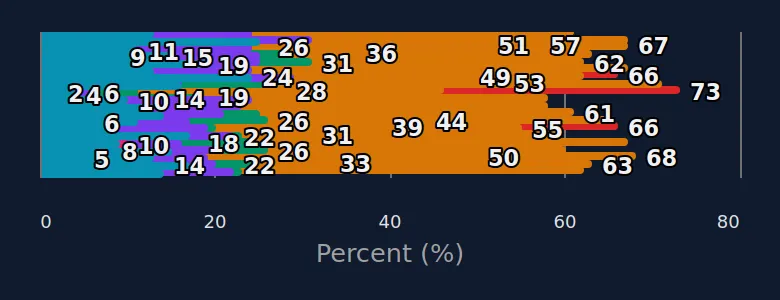
A significant mandate for restrictive social media legislation for children under 14. France leads with 80% support. The global average of 65% indicates an internationally recognised solution. Germany is the only country where disagreement (42%) outweighs agreement (40%), suggesting higher cultural value placed on digital autonomy.

MITIGATION

Alternatives & Solutions: evidence-based interventions, digital literacy programmes, platform safety features and policy approaches that reduce harm without eliminating access.

Chart of the Day

How Will Technology Affect Education? (% Positive, by Generation)
Parents with children in school are the most optimistic cohort (31%), but even among this group less than one-third believe the impact will be positive. Only a 3-percentage point difference between Gen Z (28%) and Boomers (25%) suggests that skepticism toward AI in the classroom is not a generational misunderstanding but a widely shared concern.
Source: IPSOS Education Monitor 2024

How to Contribute

Do you know additional data points or key sources of evidence? Just fill the form, we will review it promptly and upload it on the website.